The 6-Email Follow-Up Sequence That Books Kilimanjaro Climbs
Six emails, thirty days, one job each. This is the exact follow-up sequence run at Kilimanjaro Heroes — the operator HopRolls grew up on — after every quote goes out. Templates included.
 Pallav JainiFounder, HopRolls · former tour operator11 min read
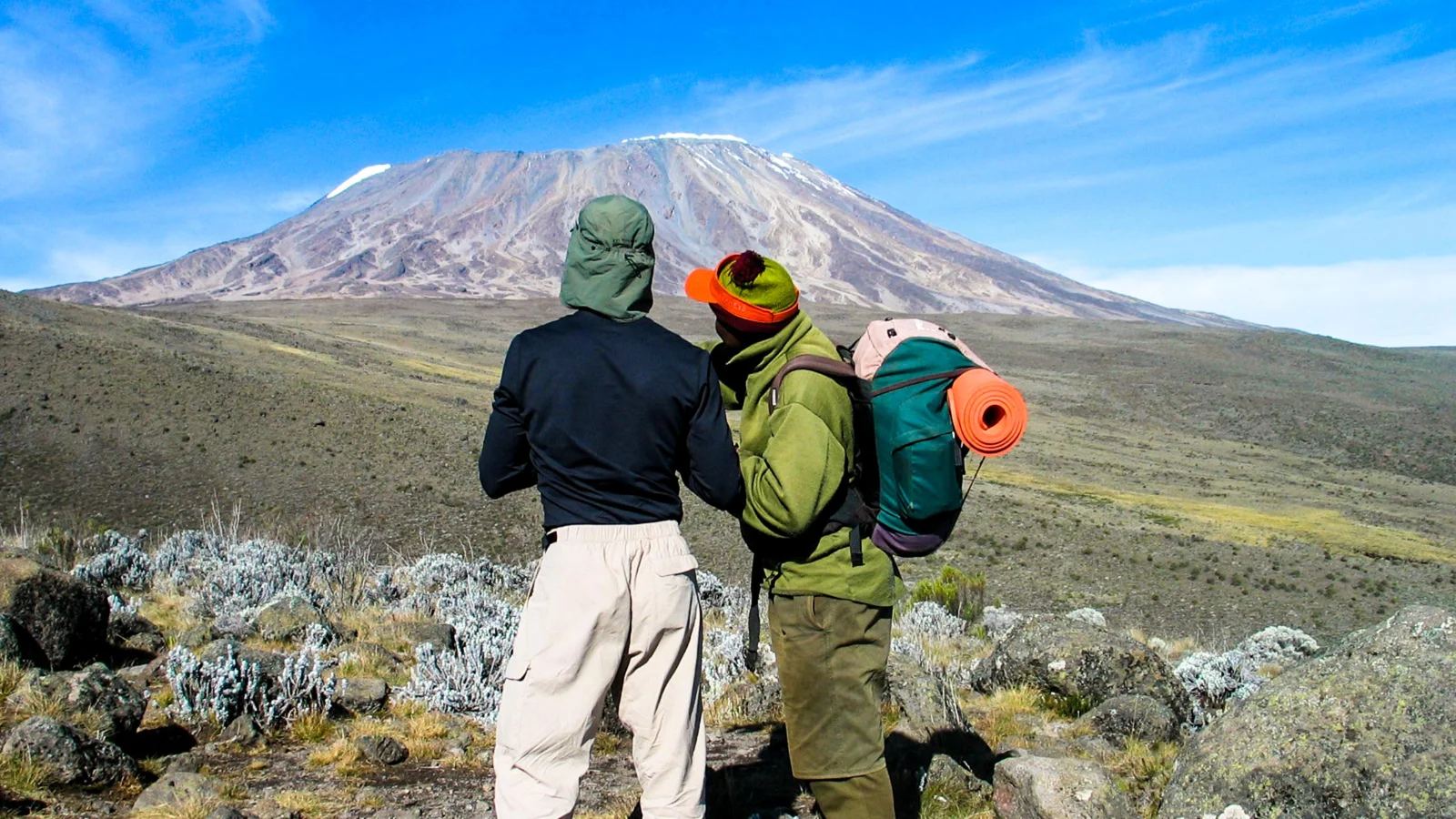
I run a trek and safari company in Tanzania. Over the past decade I've personally answered more than 25,000 inquiries, and somewhere in the first few thousand I learned the lesson this whole guide rests on: the quote is the beginning of the conversation, not the end of it.
Almost nobody books from the first email. They book from the fourth, or the sixth, or the one that arrives three weeks after they stopped replying. A Kilimanjaro climb is a bucket-list purchase — people research it for months, worry about their fitness, juggle leave dates with a climbing partner, and compare four to six operators before they commit. If your follow-up is one polite "just checking in" a week later, you're handing those months to whichever competitor kept writing.
This is the sequence I actually run after a quote goes out: six emails over roughly thirty days, each with a single job. The templates below are the working shape of ours. Copy them, then make them yours.
Why Kilimanjaro sells slowly
A Kilimanjaro climb sits in a strange category: it costs as much as a decent used car, and you have to walk uphill for a week to collect it. Nobody buys that on impulse.
Watch what a typical inquirer is actually doing in the weeks after they write to you:
- Fitness fear. "Am I fit enough?" is the question underneath almost every slow reply. They're googling training plans at midnight, not ignoring you.
- Altitude fear. They've read about summit night and altitude sickness, and they're quietly wondering whether they'll be the one who has to turn around.
- Safety diligence. They're reading reviews, checking guide qualifications and rescue protocols, and comparing you against every operator whose quote is sitting next to yours.
- Leave logistics. A seven-to-nine-day climb plus flights means two weeks off work — often for two people, from two employers, in the same window.
- Seasonal windows. Dry seasons and full-moon summit dates mean the "right" departure might be eight months away. There is no urgency unless you supply a real one.
None of this is indecision — it's diligence, and it takes time. A follow-up sequence is how you stay usefully present while a careful person makes a careful decision.
The sequence at a glance
Six emails, spaced over about a month, counted from the day the quote goes out. Each one has exactly one job:
- Day 2 — the route question. Restart the conversation with one easy question.
- Day 5 — the preparation email. Answer the fitness fear they haven't voiced. Pure value, no ask.
- Day 9 — the story email. Make the week vivid. Sell the feeling, not the itinerary.
- Day 14 — the practical email. Dates, seasons, full moons, what moves the price — and an invitation to lock a date.
- Day 21 — the honest check-in. Permission to say no. This is the one that revives cold threads.
- Day 30-ish — the door stays open. A graceful close that keeps next season alive.
The discipline is the one-job rule. An email that tries to reassure and pitch and ask for a decision usually does none of the three.
Email 1 — the route question (day 2)
Two days after the quote, you're still fresh in their memory and so are your competitors. The goal here is not to sell — it's to turn a broadcast into a conversation, with the lowest-effort reply you can possibly invite.
Subject: Your Kilimanjaro route — one quick question
Hi {{first_name}},
I sent over your quote for the {{route_name}} a couple of days ago, and wanted to check one thing while it's fresh.
Most climbers I work with are still weighing two or three routes at this stage — usually it comes down to how many days you can take and how much you care about a quieter trail. Are you fairly settled on the {{route_name}}, or still comparing? If you tell me which dates you're circling, I'll tell you honestly what that window looks like — weather, crowds, and whether a longer route would fit.
No rush at all. One line back is plenty, and I'll take it from there.
{{your_name}}
Why it works: "did you get my quote?" asks a person to account for their silence, and people avoid emails that do that. A route question is different — it's the exact thing they're already chewing on, it has a one-line answer, and answering it positions you as the adviser in the room rather than the salesman at the door. A meaningful share of replies to the whole sequence come from this one small question.
Email 2 — the preparation email (day 5)
By day five the biggest obstacle to this booking isn't your price. It's a fear they will almost never type out: am I actually capable of this? The operator who resolves that fear earns a trust no discount can buy.
Subject: Can you actually do this? (Honestly: probably, yes)
Hi {{first_name}},
The question almost nobody asks me directly — but almost everyone is thinking — is: am I fit enough for this?
Here's the honest answer after a decade of taking people up: if you can hike for six hours with a daypack, you can train for Kilimanjaro. It's a walk, not a technical climb. What decides summit night is acclimatization — mostly route length and pace, which is why our guides will walk you slower than feels natural.
Here's our preparation guide: {{prep_guide_link}} — a simple training plan, what altitude actually feels like, and what summit night is like hour by hour.
Read it with a coffee, and reply if anything in it worries you. That's what I'm here for.
{{your_name}}
Why it works: this email asks for nothing, which is precisely why it sells. It also travels well — it's written to be forwarded to the nervous climbing partner, who is very often the real decision-maker. When two people are deciding together, the operator who calmed the anxious one usually wins.
Email 3 — the story email (day 9)
A quote is a table of dates and dollars. Nobody has ever read one and felt anything. Nine days in, your job is to let them feel the week — honestly, hard parts included, because on a mountain honesty reads as safety.
Subject: What the week actually feels like
Hi {{first_name}},
A quote tells you what a climb costs. It doesn't tell you what the week feels like — so here's the shape of it.
Day one is forest and nerves. By day three the phones are dead and nobody misses them; camp life takes over — meals in the mess tent, the same faces, the mountain getting bigger. Summit night starts around midnight: cold, quiet, headlamps in a line. The sunrise from the crater rim is the part people cry about. Two days later you're at the gate — dusty, sore, and already telling the story.
Every group is different. That arc almost never is. If you'd rather hear it from past climbers, they tell it here: {{reviews_link}}.
{{your_name}}
Why it works: people don't buy eight days on the Rongai route; they buy the sunrise from the crater rim and the person they'll be at the gate. Notice what the email doesn't do — no invented guest, no "one climber told me…" theater. An archetypal week, told warmly and truthfully, is more persuasive than a manufactured testimonial, and it never rings false.
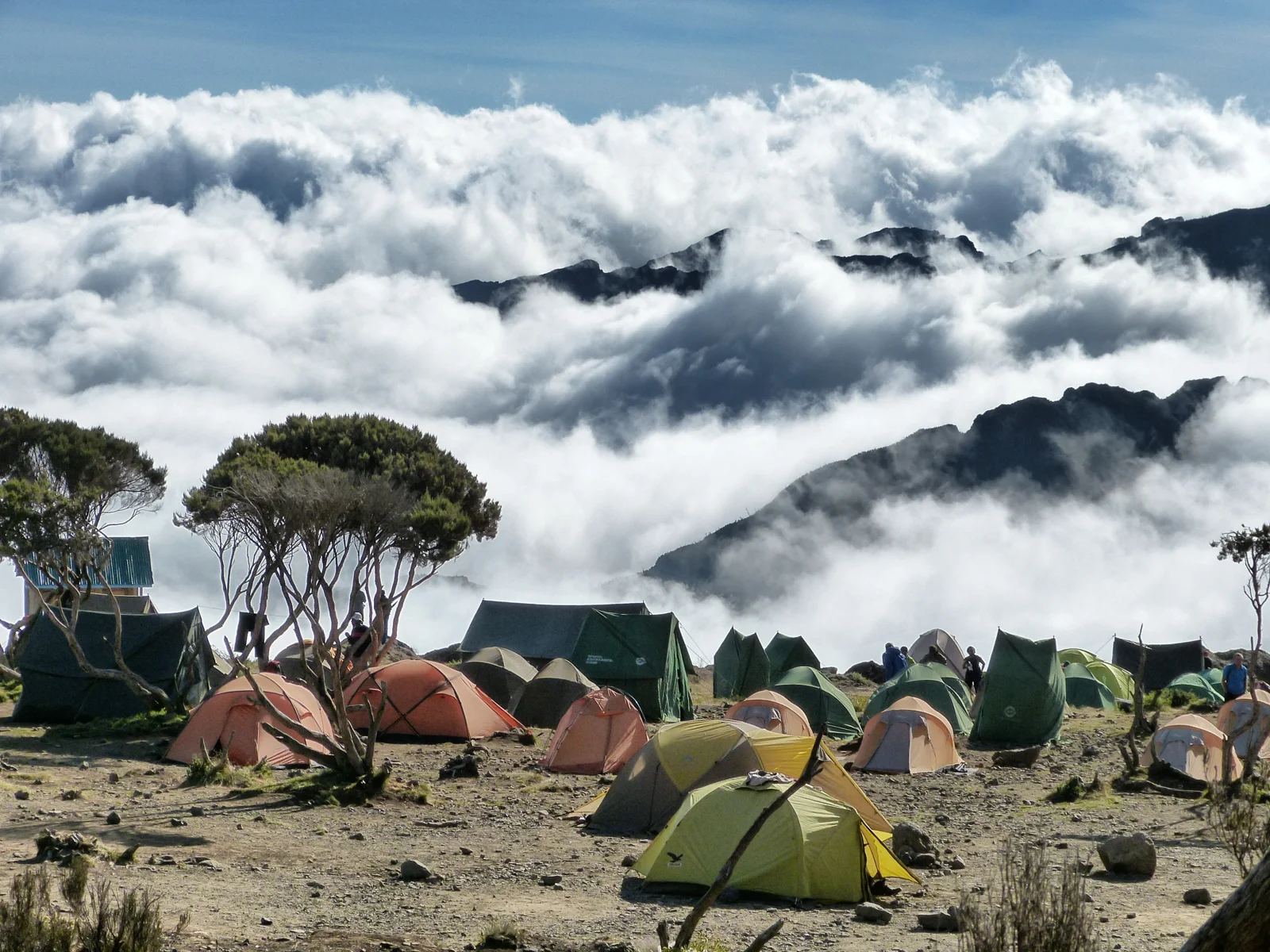
Email 4 — the practical email (day 14)
Two weeks in, the dreaming is mostly done and the planning brain is in charge: which month, which departure, what exactly moves the price. Feed that brain specifics — and give it one gentle, real reason to decide.
Subject: Dates, seasons, and full-moon summits
Hi {{first_name}},
By now you've probably narrowed things down, so here's the practical picture for {{travel_month}}.
The dry seasons — January to March and June to October — give you the best summit conditions. Full-moon departures fill first: you climb the final ridge with the glaciers lit up and barely need your headlamp. If you want one, decide early.
On price, two things move it: group size and route length. Private climbs cost more per person; joining a group brings it down; an extra acclimatization day adds a little and improves your summit odds a lot.
If your dates are firming up, I can hold a place on the {{departure_date}} departure for {{hold_days}} days while you sort flights — no payment needed. Just reply "hold it".
{{your_name}}
Why it works: full-moon scarcity is real, not manufactured — those departures genuinely fill first, so naming it is a service, not a pressure tactic. Spelling out exactly what moves the price disarms the quiet suspicion that something is hidden in it. And a no-payment hold gives a careful person a way to commit a little without committing everything — which is usually the step right before booking.
Email 5 — the honest check-in (day 21)
Three weeks of silence usually means one of three things: still deciding, decided elsewhere, or life got in the way. You can't help until you know which — so ask, and make every answer easy to give.
Subject: Should I close your file?
Hi {{first_name}},
I don't want to be the operator who fills your inbox forever, so let me ask straight.
Are you still planning a Kilimanjaro climb — or has it moved to the someday pile? Either answer is genuinely fine. If you're still in, tell me what's holding things up — dates, budget, a hesitant climbing partner — and I'll help with that specific thing. If you've chosen another operator, no hard feelings at all: go climb the mountain.
And if it's simply "not this year", say so — I'll stop these emails and just drop you a note when next season's dates open.
One line back is all I need.
{{your_name}}
Why it works: giving someone explicit permission to say no flips the whole dynamic. They've been avoiding your emails because they didn't have a yes yet; suddenly a truthful answer costs them nothing, and truthful answers restart conversations. This is reliably the email that revives threads I'd mentally written off. Even the no is valuable — it cleans your pipeline and, said graciously, it's remembered next time.
Email 6 — the door stays open (day 30+)
If a month of good emails hasn't landed a decision, chasing harder won't either. The last scheduled email should close gracefully — because on a purchase this considered, a striking number of climbers come back for the following season.
Subject: I'll leave this with you
Hi {{first_name}},
This is my last scheduled note — I promised not to chase you forever, and I meant it.
Your quote for the {{route_name}} stays valid until {{quote_expiry}}, and after that a fresh one takes me a day. Nothing gets thrown away: your dates, your questions, and your route thinking are all in your file, so picking this up in six months takes one email, not ten.
A lot of the climbers I meet on the mountain first wrote to me the year before. Kilimanjaro waits well.
I'll send a short note when {{next_season}} dates open. Until then — keep hiking, and thank you for considering us.
{{your_name}}
Why it works: the sequence ends but the relationship doesn't. "Your file is kept" makes returning cheap — no shame, no starting over — and the promise of a note when new dates open is a legitimate future touchpoint they've effectively agreed to. Climbs deferred are not climbs lost; they're next season's easiest bookings, but only for the operator who exited the inbox politely.
Adapting the spacing
The day numbers above assume the most common shape of this purchase: a climber six to twelve months out. The sequence is a rhythm, not a law — three adjustments cover almost everyone:
- Departure is close? Compress. Someone hoping to climb in six weeks can't wait thirty days for your practical email — run the same arc in ten to twelve days, and lead with dates and availability.
- Planning for next year? Stretch. Double the gaps, or the day-21 "should I close your file?" lands insultingly early for someone who told you they're thinking about next September.
- Engagement beats the calendar. Someone who re-opens their itinerary three times on a Tuesday evening is thinking about the trip right now. The next email should move up to meet them, not wait for its scheduled day.
Doing that by hand across a whole inbox is exactly the kind of invisible work that eats an operator's week — it's a large part of why I built HopRolls. It sends each follow-up on schedule, adapts the spacing to the departure date, and halts the sequence the moment a climber replies so a person can take over. The one-minute demo shows the whole loop, and the Blueprint lays out the full workflow around it.
But automate it or run it from a spreadsheet and calendar reminders — either way, run it. The quote gets you compared. The operator still usefully present in week four is the one who gets to say karibu at the gate.